
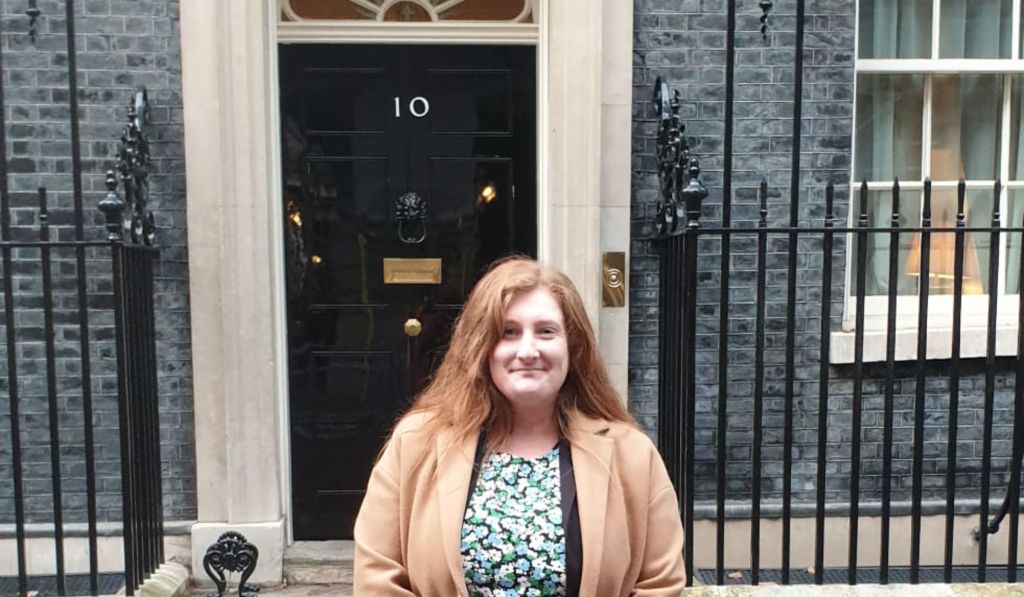
The LGBTQ+ Journalism Network was invited by the government to attend a special reception at 10 Downing Street, as it set out new plans to boost protections for journalists against hate and abuse.
Founder Sophie Perry attended the event – which marked the start of the News Media Association’s Journalism Matters Week – on Monday (30 October).
She was invited alongside editors, industry personnel and journalists from across the UK who were brought together to “celebrate their contribution to UK democracy”.
The journalists invited are “dedicated to exposing wrongdoing and holding power to account”, as well as those who have faced abuse because of their jobs.
The refreshed National Action Plan for the Safety of Journalists pledges to protect journalists from harm and build on previous promises, as a means of creating a safe environment for reporters to work.
As stated in a DCMS press release, the updated plan will see the creation of a new online tool where journalists can report abuse and help build greater understanding of safety issues affecting them.
As well as this, police officers will receive new opportunities in which they will undertake public order training to increase understanding of how journalists can report and observe protests.
Furthermore, a new working group is being created for publishers and broadcasters to share learnings and best practices for safeguarding editorial staff.
The update continues the work of the first Action Plan, published in 2021, which has seen the appointment of a Journalist Safety Officer at 22 police forces, new guidance by the Media Lawyers Association, creation of an online safety toolkit and a free e-learning course created by the NCTJ on journalism safety and resilience.
Perry previously took part in NCTJ panels aimed at students and professionals where she discussed safety and resilience in the industry.
In her speech at the reception, culture secretary Lucy Frazer said “journalism matters” but “it isn’t something that we should just acknowledge this week. It is something we should acknowledge every month. Every week. Every day.”
She continued: “Your work in holding people, organisations and countries to account. Your reporting without fear or favour. Calling out wrongful activity and evil. Combatting mis and disinformation. These are the signs of a true democracy.
“Freedom of the press is not actually about media freedom. It is about our freedom.”
The culture secretary went to note those journalists who are currently “putting their lives on the line for truth, freedom and democracy” in Israel and Gaza, nine of whom have already lost their lives.
She said the “events in Israel and Gaza have recently made me think of other journalists”, such as James Foley who was abducted in Syria and beheaded by ISIS, Evan Gershkovich who was detained in Russia and and the 14 journalists who have been killed since the start of the Russia-Ukraine war.
The topic of journalism safety is one of keen importance for the industry , with research published earlier in the year laying bare the vile abuse and harassment LGBTQ+ reporters face for doing their jobs.
Finbarr Toesland’s study, entitled ‘Are media organisations adequately protecting LGBTQ journalists from harassment and abuse?’, found “intermittent and consistent abuse and harassment” against queer journalists – with 87 per cent of those surveyed not believing enough is being done to tackle the shocking vitriol.
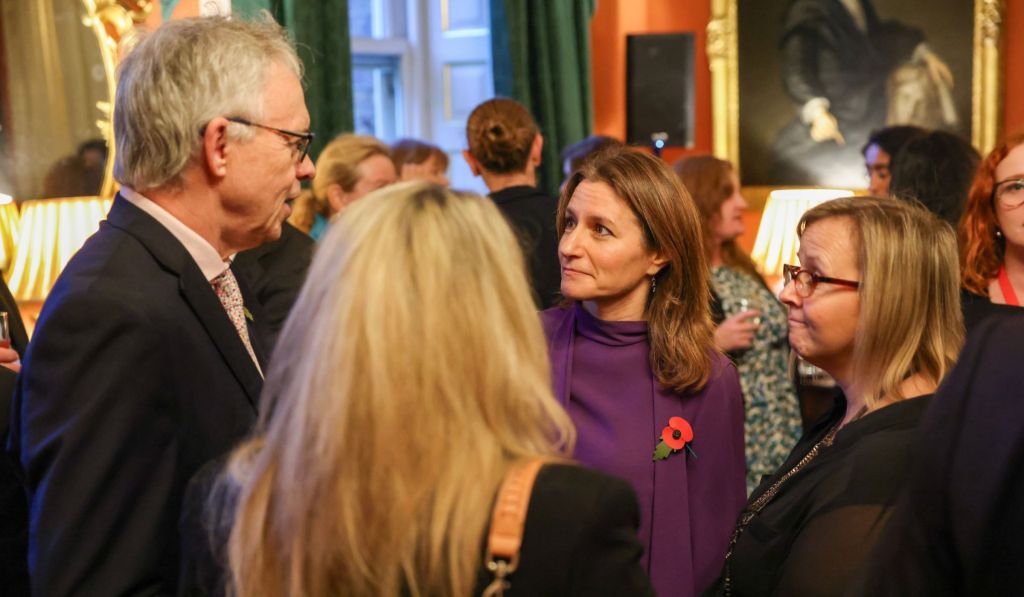
Commenting on the Downing Street reception, Frazer said in a further statement: “Today we celebrate the vital work of our world-class journalists who keep our democracy alive through their investigations and ruthless scrutiny of the powerful.
“At a time when reporters are losing their lives while showing the world what is happening in the Middle East and Ukraine, and where misinformation about the conflicts is rife on social media, the importance of rigorous, fact-checked journalism has never been more apparent.
“As culture secretary I want to protect and enhance the freedom of our press. No journalist should be prevented from doing their job due to fear of violence, abuse or harassment.
“Our revamped national action plan will strengthen efforts to protect journalists working in the UK from harm, enhancing their freedom to hold the powerful to account without fear of abuse or harassment.”
Dawn Alford, executive director of the Society of Editors, said it is “devastating that abuse and harassment of journalists remains so commonplace” at a time when accurate news and information “remains critical to the public’s understanding of world affairs”.
“The renewed action plan contains additional commitments aimed at prioritising journalists’ safety including broader police and industry engagement and a taskforce dedicated to exploring non-legislative means of combating SLAPPs,” Alford continued.
“These measures should ensure that awareness-raising and regulation work hand-in-hand with legislation in this area. We look forward to working together to help create a safe and free environment for journalists to report on behalf of the public.”
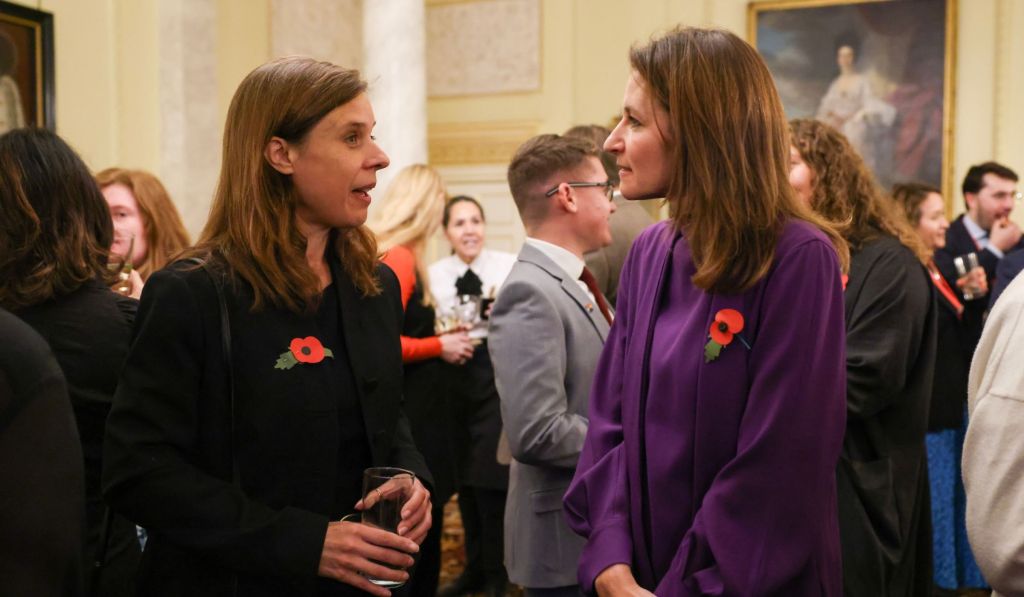
The NUJ’s general secretary, Michelle Stanistreet, added: “The safety of journalists is the NUJ’s top priority, which is why the work of the UK’s National Committee for the Safety of Journalists’ and its action plan is so important.
“To follow on from our successful mobile safety toolkit, we will be creating a press safety tracker so journalists will be able to report incidents ranging from online abuse, problems during demonstrations caused by protestors or the police, and sexual harassment to the wider challenges posed by Slapps and other legal threats designed to stymie and interfere with journalistic reporting and investigations.”
Stanistreet said attacks on journalists are “deployed to silence and intimidate those who work to uphold the public’s right to know”.
“NUJ members have shared horrific experiences of being attacked, abused and threatened – on and offline – simply for doing their job,” she said, “The action plan is a central part of stamping out such behaviour and ensuring that journalists can go about their vital work safely and free from interference.”
Are you a member of our online community yet? Why not like our Facebook page and follow us on Twitter and Instagram? How about you check out our latest news and contributions to Journalist Like Me?
 LGBTQ+ Journalism Network