The 2023 FIFA Women’s World Cup is well underway in Australia and New Zealand, with one sports journalist describing how cultural sensitivity is key to exploring LGBTQ+ topics at the tournament.
The World Cup kicked off on 20 July and boasts a record number of publicly out LGBTQ+ athletes according to Outsports, with at least 95 queer players – nearly 13 per cent of all the athletes competing – taking to football’s biggest stage.
With the sheer number of LGBTQ+ athletes taking part, discussions around inclusion, representation, equality and wider human rights are not far removed from the actual football.
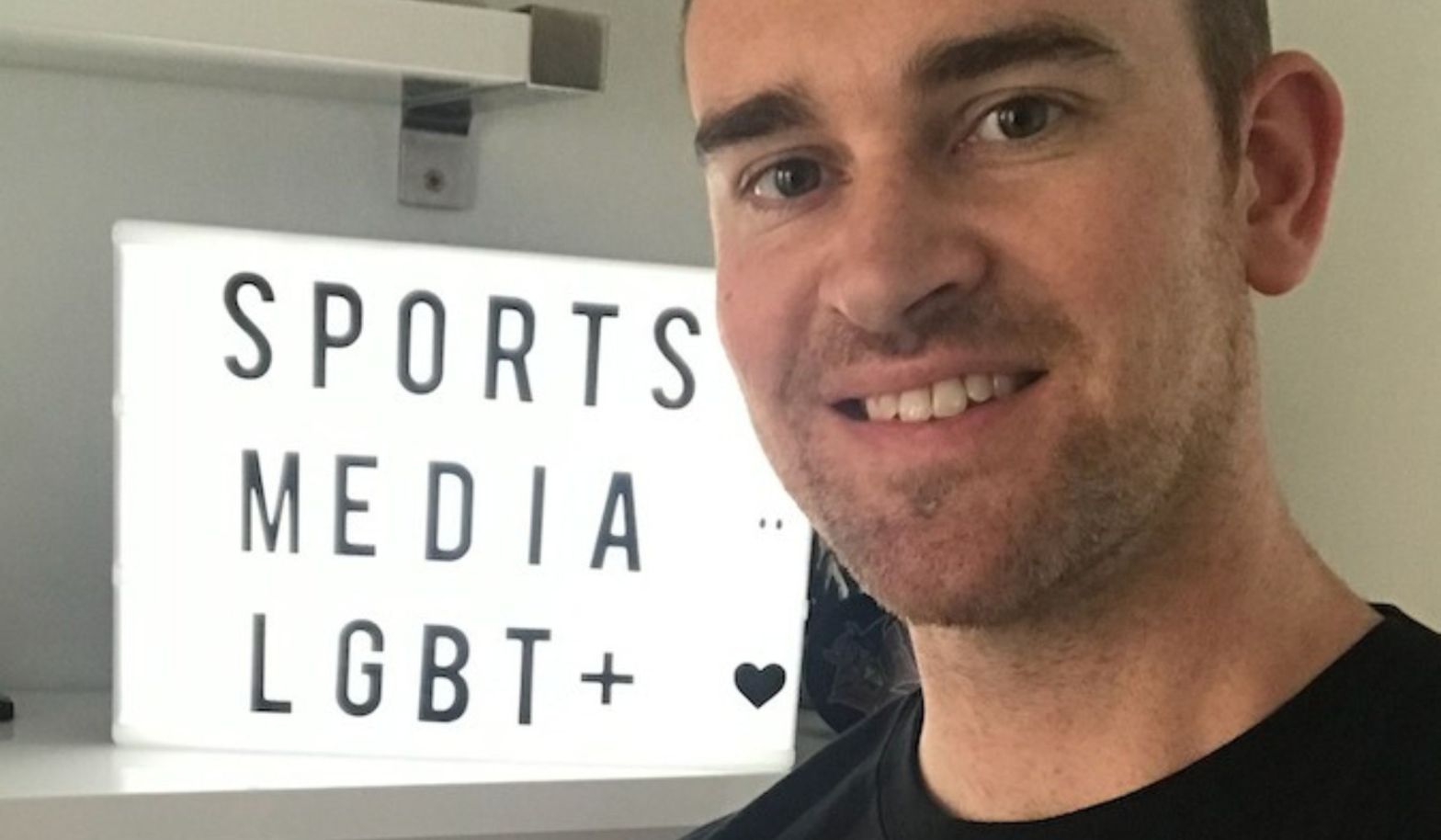
Jon Holmes, founder of Sports Media LGBT+, explained at this tournament there is a “huge increase” in LGBTQ+ representation on the pitch, in coaching roles and in the media. Meaning, there is a sensitivity and understanding of such topics from sports reporters working at the World Cup.
“There’s numerous British journalists out there covering the tournament, who are LGBTQ, and journalists from all around the world who are part of the community,” he explained.
“So that gives them a perspective and experience which allows them to talk about some of those issues of representation in a more considered way.”
However, that is not to say there have not been challenges when it comes to touching on queer topics at an event where there is a significant disparity between different nation’s LGBTQ+ rights.

In one example, prior to Morocco’s opening game against Germany on Monday (24 July) a BBC journalist asked captain Ghizlane Chebbak “In Morocco, it’s illegal to have a gay relationship. Do you have any gay players in your squad and what’s life like for them in Morocco?”
In Morocco, homosexuality is punishable with a prison sentence of between six months and three years, as well as a fine of up to 1200 dirhams.
The question had the potential to put any LGBTQ+ players on the team in danger and was quickly blasted by fellow journalists, pundits and fans for its sheer lack of cultural sensitivity, with the BBC forced to issue an apology for the ill-thought out question.
Holmes, who is a freelance journalist and media consultant, told the LGBTQ+ Journalism Network: “Morocco obviously an example of a country at this tournament where LGBTQ+ rights are nowhere near as advanced as in as in perhaps other places, particularly in the Western world. There needs to be an understanding of that.
“I think, in a similar way, around the Men’s World Cup we knew how difficult those conversations were for people from that part of the world which don’t have the same the same level of visibility and rights.”
He continued: “At a press conference environment such as that, I think the tone and tenor of that question just did not seem an appropriate place in which to ask that.
“Whatever the intentions of the journalist who was asking that that question, I think it was phrased pretty clumsily.”
Summarising his thought, Holmes explained that whilst the largest number of LGBTQ+ athletes are out at this tournament, that does not “equate to being able to have like a free for all in terms of questions about LGBTQ+ rights, because not everybody’s on that same level.”

On a personal level, Holmes says he is – of course – pleased to see so many writers, journalists and broadcasters who are members of Sports Media LGBT+ reporting on the World Cup.
“We’ve probably got about 10 to 15 members of our network group who are going to be out there are different times during the tournament.
“[It] is really, really great to see that that level of representation in terms of the press ranks.”
Alongside this, he says he is also loving seeing out advocates showing their sporting chops in front of the world.
Nodding to a stunning goal by Ireland’s Katie McCabe’s, who put it in the net from a corner during their match against Canada, he said: “It’s seeing players like Katie who has been an amazing advocate for LGBTQ+ rights, not just in Ireland but also through her role at Arsenal, shining on the on the biggest stage and getting people all around the world seeing these amazing players and talking about them.”
You can find out more about Sports Media LGBT+ here, join their community group on Facebook and follow them on Twitter.
Are you a member of our online community yet? Why not like our Facebook pageand follow us on Twitter and Instagram? How about you check out our latest news and contributions to Journalist Like Me?
 LGBTQ+ Journalism Network