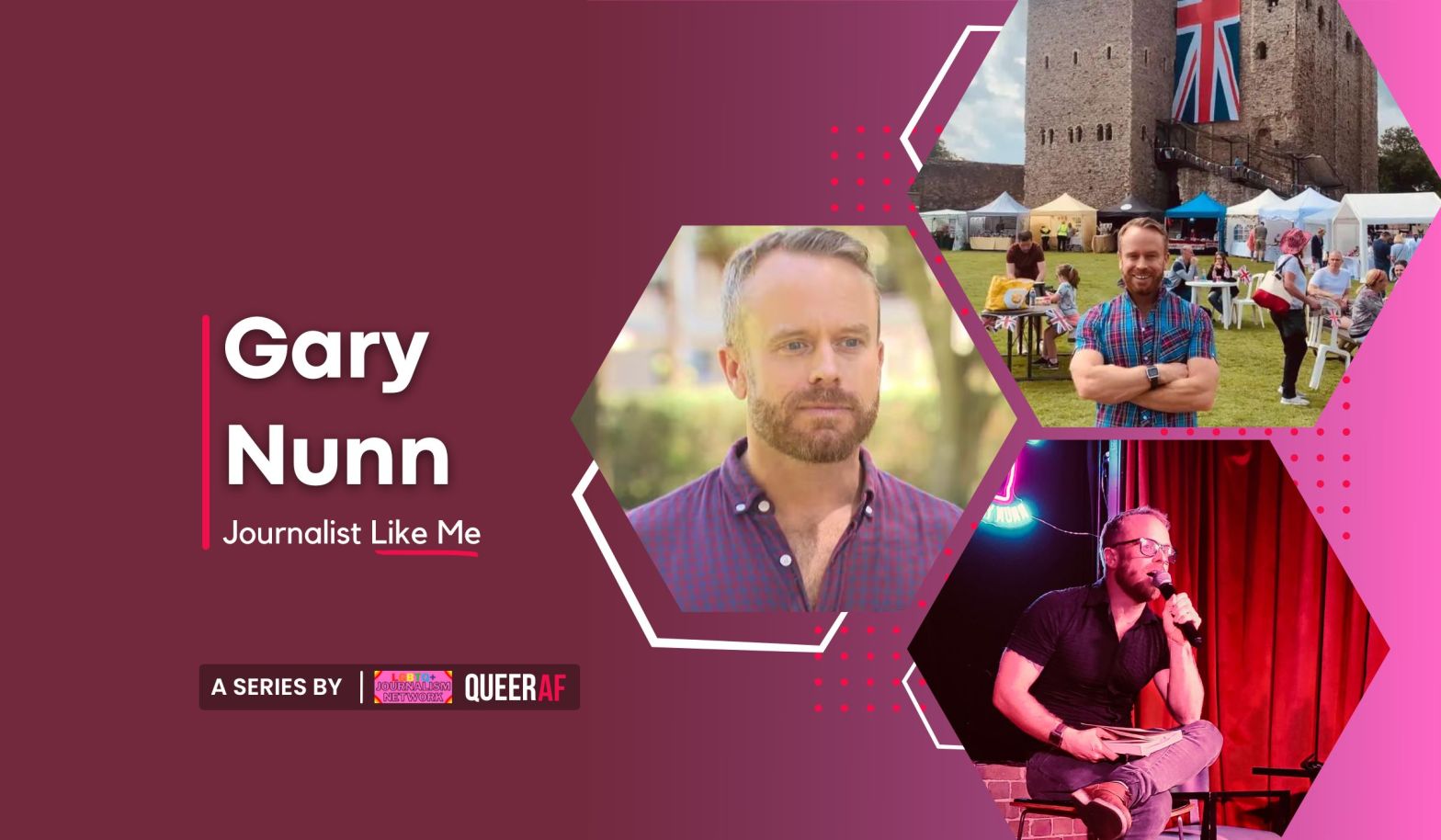
By Gary Nunn, freelance human interest journalist and author
A big, newsworthy story about gay people being banned from restaurants on my doorstep was unfolding.
But there were few remaining LGBTQI-beat dedicated journalists or outlets left to cover it.
It almost went untold, which would’ve allowed the bans to continue unchallenged.
“The gay community, who were quick to judge even though we supported them during the [marriage equality] plebiscite, aren’t welcome.”
That was the message posted on the Facebook page of a Sydney vegan restaurant following the owner being trolled for being an outspoken Trump supporter.
Later it declared itself a “straight safe zone.”

It happened less than a month after a nearby eatery’s owner posted a meme depicting a gay stick person being kicked off a cliff with the words:
“Why should gay people have rights when we don’t even have the right to not have to put up with seeing them in public?”
Followers were encouraged to “share if you are against gay people” and to unfriend him “if you support these clowns”.
Previously, there were a myriad of outlets to cover this: legacy pink media outlets like SXand SameSame, BuzzFeed Australia’s dedicated LGBTQI beat editor, HuffPost Australia’sdedicated LGBTQIA+ section. Then every single one of these folded.
Not only was nowhere covering this big Sydney story – Pink News UK covered it before anywhere in Australia did!
There’s no shortage of in-house LGBTQIA+ journalists at Australia’s media outlets – but they stick to their assigned beats – education, health, politics etc – because no newspaper currently includes an LGBTQIA+ dedicated beat.
Once the queer story has been told for that day’s edition, it’s seen as overkill to cover another queer story for a couple of days.
I also sometimes wonder if the in-house LGBTQIA+ journalists are reluctant to be seen as ‘agenda-pushing’, fearing it’ll impact their perceived credibility as an unbiased, objective reporter or editor.
This is where freelancers like myself often come in.
To remind outlets of their responsibility to report injustice and discrimination whenever and wherever it happens, irrespective of if you reported a story about drag queens yesterday.
So, as a freelance gay journalist, I wrote the story for the major Sydney newspaper.
I had to persuade tentative editors it was even worth covering by reminding them of the irony of this happening in a vegan restaurant in Waterloo, one of Sydney’s pinkest suburbs.
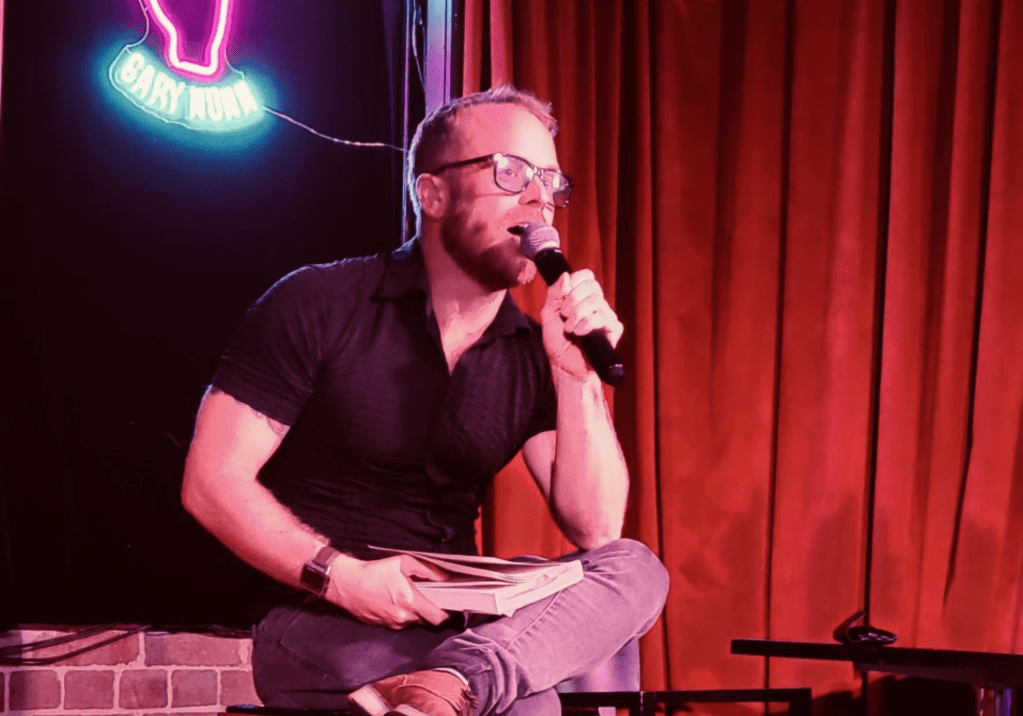
Afterwards, the vegan restaurant owner repeatedly threatened to sue me. He trolled and gas-lighted me with memes on the business’s Facebook page.
One was of a drag queen with the words: “ALL WELCOME – contrary to what Gary Nunn wrote.”
He approached other local business owners, telling them I was a liar.
Months later, he loudly and humiliatingly verbally abused me in my local cafe. I was on the verge of calling the police.
Instead, I called my journalist union, the MEAA, and asked to take out insurance covering me for $1m in defamation fees.
It costs me $70 a month but is peace of mind; in Australia, freelance journalists can be sued personally and the publisher won’t cover any defamation fees like they will for an in-house. It pays to be responsible.
But there’s a cost to leaving it up to freelancers to pick up the slack. I don’t have the protections against defamation, abuse and trolling that in-house journalists have.
This is why our stories, told by someone dedicated explicitly to the LGBTQIA+ round in-house – as BBC UK does – are crucial.
All the details on how to pitch for Journalist Like Me are now available. The joint series in partnership with QueerAF is open to all, from those just starting their career to established queer media professionals who are opening doors for the rest of us.
About LGBTQ+ Journalism Network
The LGBTQ+ Journalism Network is a space for LGBTQ+ journalists across the UK – and at any stage of their career – to find, support and learn from each other. LGBTQ+ journalists have always existed and the network celebrates their work, encourages them and aims to encourage a new generation.
About QueerAF
QueerAF is an independent platform launching the careers of emerging and LGBTQIA+ creatives driven by members, not advertisers. As a not-for-profit publisher, we redirect our funds from our weekly newsletter into helping marginalised queer people build a media career, so they can work in the industry – to change it.
 LGBTQ+ Journalism Network