
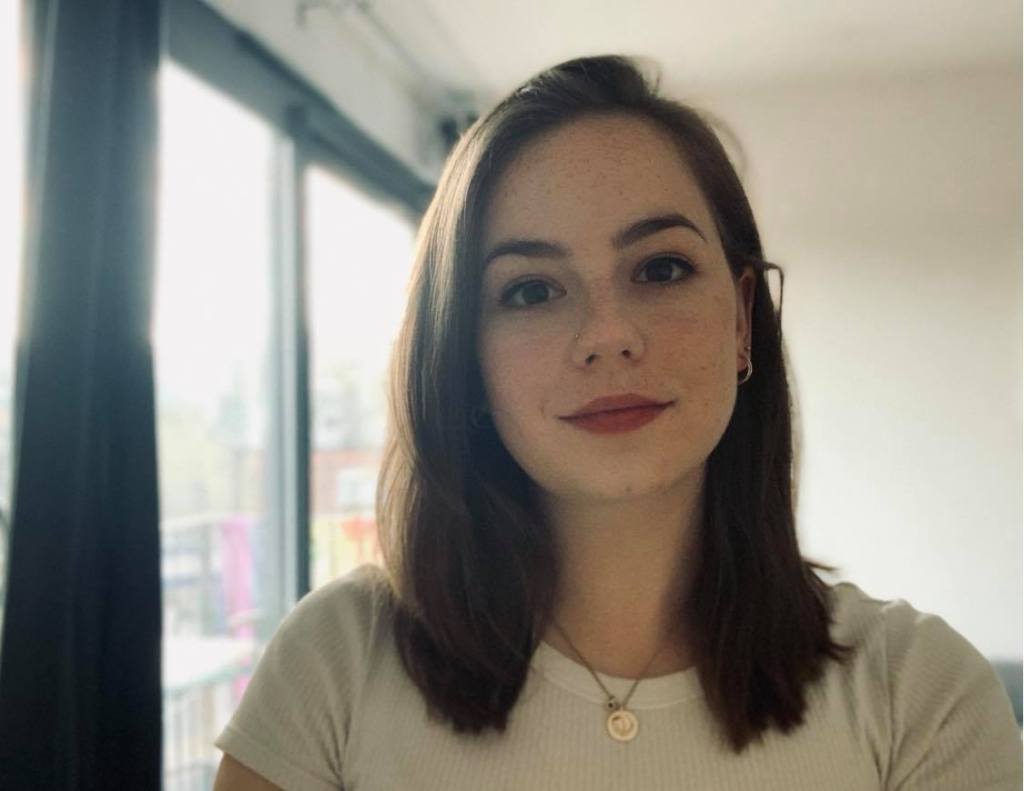
By Emily Chudy, freelance journalist specialising in the LGBTQ+ community
At the beginning of my career, advertising the fact that I was queer in a majority straight, white, male newsroom was the last thing I wanted to do.
With time and hard work, however, newsroom culture has shifted. Now, editors look to people like me for sensitive and non-biased queer coverage.
So how can we pitch and prioritise LGBTQIA+ stories? What about those people who may not have the same life experience as us? Who might not see our stories as critical to the news agenda?
If you’re comfortable being ‘out’ in the workplace, your first step could be requesting a meeting with your editor about your outlet’s LGBTQIA+ coverage. If you get it, come prepared.

Be prepared, and topical
Draw on timely stories in the UK, like the fight for comprehensive conversion therapy, or the Church of Scotland accepting same-sex marriage.
They’re reasons to assign a dedicated LGBTQIA+ reporter, or work on a queer-focused calendar looking forward to key legislation dates.
Use statistics (and talk about money)
Arm yourself with statistics; 2.7% of the UK is LGB according to the ONS, which represents a significant potential readership.
There is also an economic reason for bosses to uplift queer employees, with research showing that a diverse workforce can increase productivity and creativity.
Personally, I made notes in content meetings to figure out if a story needed a queer angle – for example, any specific struggles for the LGBTQIA+ community during the pandemic – and tried to voice those notes where possible.
During the run-up to the 2019 general election, for example, I interviewed trans and non-binary candidates to add queer voices to that national conversation.

Find your fellow queers
Finding your community in the newsroom is also a great way to diversify coverage; every time I’ve started a new job I’ve been anxious about the idea of ‘coming out’, then found that I’m seldom the only queer staff member.
UK newsrooms are over 87% white (NCTJ), 51% privately educated (Full Fact), and have faced criticism for transphobia and homophobia even in the present day.
Just a few months ago, a UN group described some media coverage of the monkeypox outbreak as “racist and homophobic”.
I have seen first-hand that newsroom culture is changing. However, it can still be difficult to navigate and lead to feelings of imposter syndrome and burnout.
It will take writers and editors alike to keep up the momentum of positive change, but prioritising quality queer journalism can transform newsrooms for good.
All the details on how to pitch for Journalist Like Me are now available. The joint series in partnership with QueerAF is open to all, from those just starting their career to established queer media professionals who are opening doors for the rest of us.
About LGBTQ+ Journalism Network
The LGBTQ+ Journalism Network is a space for LGBTQ+ journalists across the UK – and at any stage of their career – to find, support and learn from each other. LGBTQ+ journalists have always existed and the network celebrates their work, encourages them and aims to encourage a new generation.
About QueerAF
QueerAF is an independent platform launching the careers of emerging and LGBTQIA+ creatives driven by members, not advertisers. As a not-for-profit publisher, we redirect our funds from our weekly newsletter into helping marginalised queer people build a media career, so they can work in the industry – to change it.
 LGBTQ+ Journalism Network