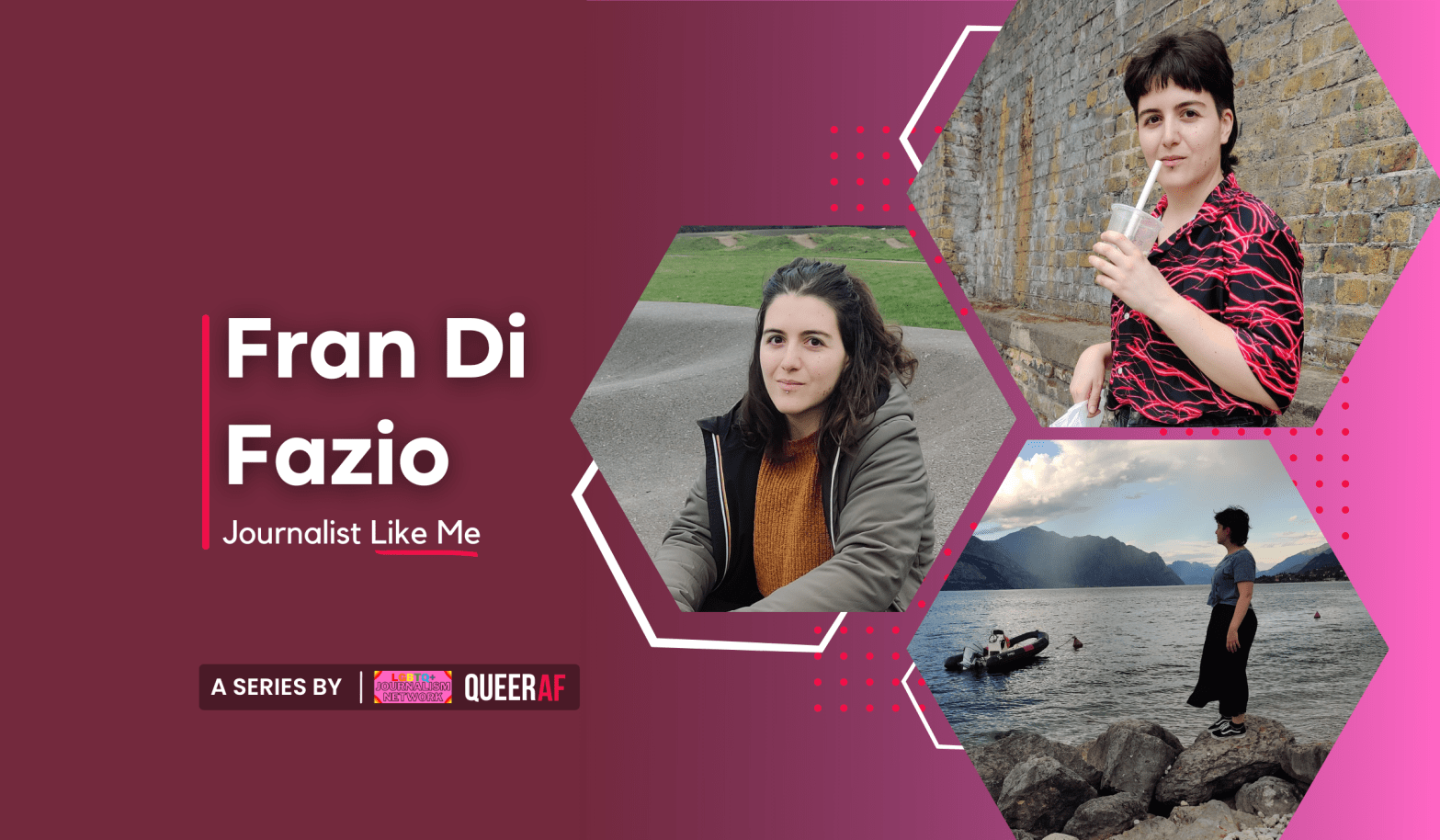
By Fran di Fazio, postgraduate student and aspiring journalist
It’s no secret that journalism is a difficult sector to enter – and its barriers are disservice to the public.
Scarce diversity within the profession, stressed by the NCTJ 2022 Diversity in Journalism report, leads to poorly informed coverage. This lowers the public’s trust in journalism and contributes to the sector’s decline.
Take the low proportion of working-class journalists – the most underrepresented group together with ethnic minorities according to the NCTJ. This undoubtedly contributed to the “Punch and Judy” poor reporting on the RMT strikes in June.
What would it mean then for some of the most inflammatory public debates, like trans rights or migration, if media organisations made an effort to bring more people from marginalised backgrounds to the table?

I came to the UK from a non-Anglophone European country, a couple of months after the Brexit referendum. I graduated and started pursuing my life-long dream of becoming a journalist here.
Due to the privileges linked to my EU citizen status, I didn’t expect that coming from a migrant background would affect the start of my career journey as much as it did.
Because I was born elsewhere, holding a degree from a British university doesn’t stop job recruiters from asking me if I’m really capable of writing in good English. Because I’m not a British citizen, I can’t access certain diversity funding programmes I’d be otherwise eligible for.
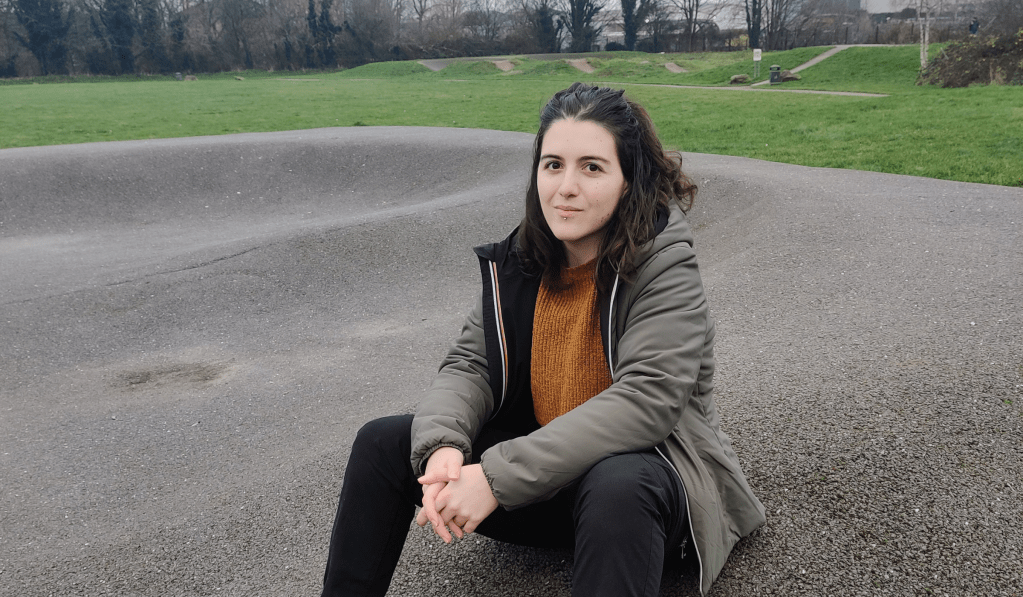
Prejudice against foreign nationals is an often overlooked reality in the British job market. But it is so pervasive that even the NCTJ while mentioning that only 9% of journalists in Britain are foreign-born, blames this on “English language barriers”.
This feeds the stereotype that non-native speakers are bad at communicating and inadequate for skilled and creative jobs.
On the other hand, as a non-binary queer person, Britain has been a space for me to exist more comfortably and safely than my native country ever could – or would – be.
For years, better legal protections, more cultural representation, and even a largely gender-neutral language allowed me to discover and live as my true self.
But recently, the mounting transphobia in public discourse and the media is fatally undermining even that sense of security and opportunity.
I would have never expected to feel unsafe checking the transgender box in job applications to major media organisations, nor to hear supposed feminists comfortably chatting about our whole existence as a “harm” to be limited.
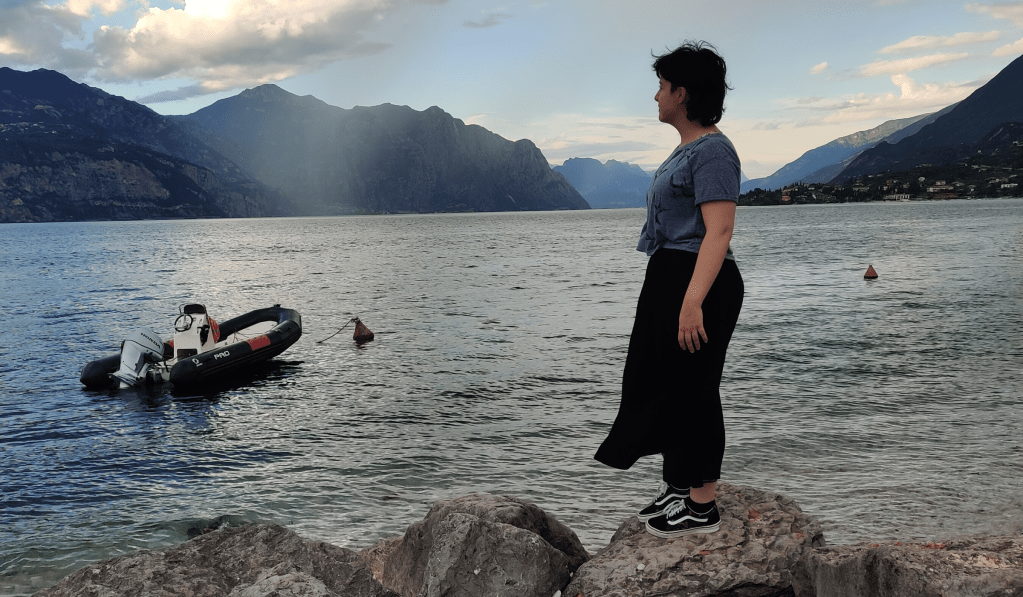
Britain’s society is at its best when it’s thriving because of its diversity and pluralism. If our national media want to stay relevant, they should look to promote a broader notion of diversity in their employment practices.
The future of media lies not in our uniqueness, but in the common struggles that shape our different experiences.
A broader, intersectional look at diversity in the British media is the key to more accurate representation and better information overall.
All the details on how to pitch for Journalist Like Me are now available. The joint series in partnership with QueerAF is open to all, from those just starting their career to established queer media professionals who are opening doors for the rest of us.
About LGBTQ+ Journalism Network
The LGBTQ+ Journalism Network is a space for LGBTQ+ journalists across the UK – and at any stage of their career – to find, support and learn from each other. LGBTQ+ journalists have always existed and the network celebrates their work, encourages them and aims to encourage a new generation.
About QueerAF
QueerAF is an independent platform launching the careers of emerging and LGBTQIA+ creatives driven by members, not advertisers. As a not-for-profit publisher, we redirect our funds from our weekly newsletter into helping marginalised queer people build a media career, so they can work in the industry – to change it.
 LGBTQ+ Journalism Network